bathroom showers
How to Choose the Perfect Showerhead for Your Bathroom
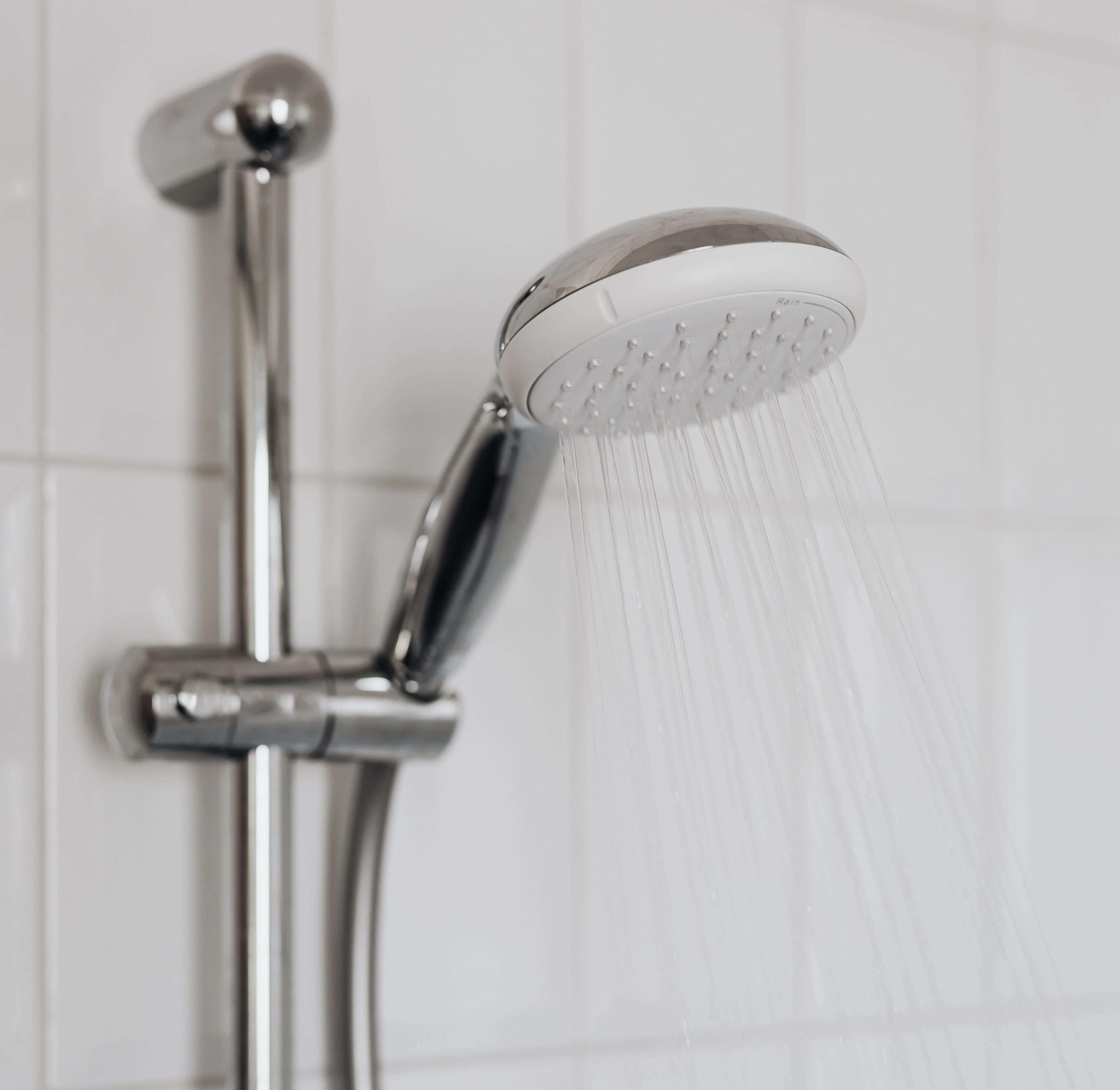
A showerhead is a small fixture with an outsized effect on a daily routine. It influences where the water lands, how easy the enclosure is to clean, and whether a quick morning shower feels brisk or relaxing. The best choice is not necessarily the most elaborate one; it is the one that suits your water supply, layout, and the people who use the bathroom.
Start with the shower you have. Notice its mounting height, the usable space inside the enclosure, and whether the current complaint is weak flow, an awkward spray angle, or simply an outdated look. Those observations narrow the options quickly and help you avoid buying features that sound appealing but do not solve the actual problem.
Begin with water pressure and plumbing reality
Before comparing finishes and spray modes, understand how the shower performs now. If water is weak only at the showerhead, clean the nozzles and check the screen or flow restrictor according to the manufacturer’s instructions. If several fixtures are weak, the cause could be elsewhere in the plumbing. Replacing the head may change the feel of the spray, but it cannot correct every supply or pressure problem.
Read the product specifications rather than relying on marketing terms such as ‘high pressure.’ Look for the rated flow and, where provided, the recommended pressure range. In a bathroom with modest pressure, a moderately sized face with a more focused pattern may feel better than an extra-wide rain head. If you are unsure, buy from a retailer with a clear return policy and keep the packaging until you have tried the fixture.
Choose a format that fits how you use the shower
Fixed showerheads attach to the wall and keep the spray in a consistent position. They are clean-looking, easy to use, and available in many shapes and finishes. They work well when the main goal is a dependable daily shower. Our article on fixed showerheads covers the tradeoffs in more detail.
Handheld showerheads sit in a bracket but can be lifted from it. That flexibility is useful for rinsing tile, cleaning a tub, bathing pets, or directing water where it is needed. A dual system combines a fixed head and handheld, but it takes more wall space and can introduce more connections. Rain-style heads create a broad, gentle pattern; they are often most successful when mounted high enough and positioned well inside the shower pan.
Do not overlook the control layout. A simple selector that is easy to grip with wet hands is often better than many modes you will never use. If accessibility is a consideration, make sure the holder, hose, and controls can be reached comfortably by the person who needs them.
Balance spray, efficiency, materials, and finish
Spray settings are personal. A wide, soft setting can be pleasant for a relaxed shower, while a more concentrated setting can make rinsing shampoo easier. Try to distinguish between a setting that feels forceful and one that simply creates a narrow stream. The right balance is a spray that rinses effectively without bouncing water out of the enclosure.
Water-efficient models deserve a serious look. EPA WaterSense-labeled showerheads use no more than 2.0 gallons per minute and must meet performance criteria as well as efficiency requirements. That makes the label a useful starting point rather than a promise that every spray will feel identical in every home. Review EPA’s current showerhead guidance and local requirements before buying.
Chrome and stainless-looking finishes are common because they fit many bathrooms and are easy to wipe clean, but appearance should not be the only consideration. Choose a finish that matches nearby fixtures closely enough for the room to feel intentional, then follow the manufacturer’s cleaning advice. Abrasive pads and aggressive cleaners can dull or damage many plated finishes.
Plan the purchase and installation
Set a realistic budget that includes any accessory you actually need: a shower arm extension, a new hose, a matching flange, or professional installation if the existing arm is corroded. A quality basic head can be a better long-term choice than an elaborate model with poorly supported parts. Check what is included and whether replacement hoses, washers, or filters are available.
For a standard replacement, turn the fixture by hand first and use a protected tool only if necessary. Follow the instructions for washers and thread tape, then run water while watching the connection for drips. If the arm moves in the wall, the threads are damaged, or the fit is not secure, stop instead of forcing it. Small leaks behind a wall are not a worthwhile DIY gamble.
Make the choice easier to live with
The most successful showerhead is one you can maintain. Plan to wipe mineral residue from the face, clear flexible nozzles as directed, and periodically check the hose or bracket on a handheld unit. A sudden change in pattern is often a cleaning issue; a consistent pressure problem may point to the plumbing.
Make a short checklist before ordering: current pressure, mounting height, desired format, useful settings, flow rating, finish, and cleaning needs. That keeps the decision grounded in your own bathroom rather than in a showroom display. With those details sorted, a new showerhead can be a modest update that genuinely improves the room.